

You built the list. Twelve thousand subscribers, decent open rates, nothing running behind it but your own occasional offer. Then a friend mentions his list covers his rent. Where is that money actually coming from?
Usually from offers pulled out of networks that welcome email traffic instead of quietly banning it. That is why affiliate networks for email list monetization keep coming up in mailer groups, often right after somebody wakes up to a shut down account.
AFFDude Take: What surprises us is how little the subscriber count matters next to which network approves you. A 3k finance list can out-earn a 50k general one. That gap is worth poking at.
What Makes an Affiliate Network Actually Email-Friendly
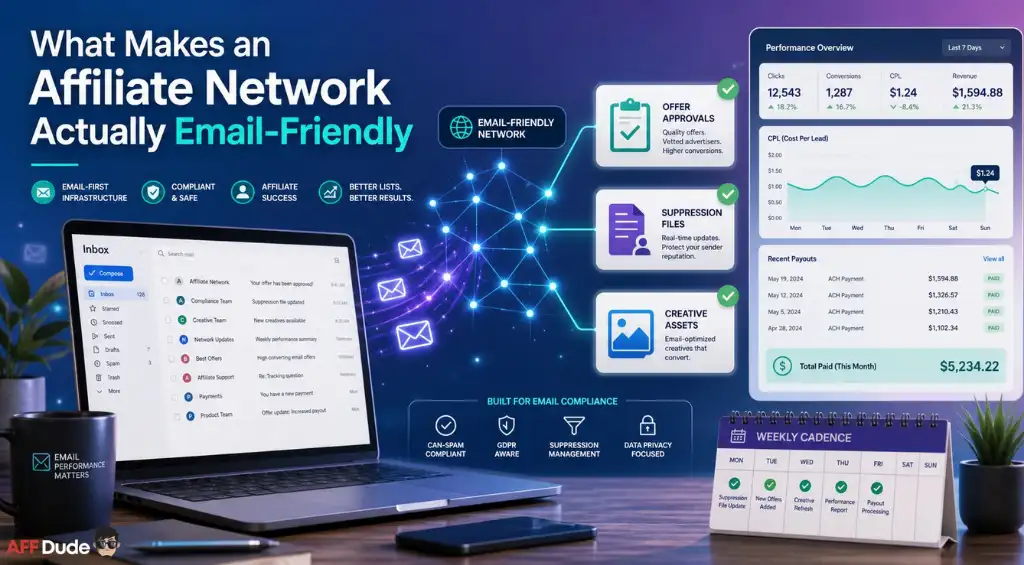
An email-friendly affiliate network does more than list email as an accepted traffic source. Real support shows up in three places: the offer catalog, the compliance desk, and the payment file. These are the signals that separate networks that welcome list owners from networks that merely tolerate them.
Look for the following:
Miss three of these and you get an account that accepts your sends, then disputes lead quality weeks later. The eight networks below were judged on these signals first and payout size second.
Affiliate Networks for Email List Monetization: Fit and Friction
| Best Affiliate Networks for Email List Monetization | Best List Type | Main Approval Blocker |
|---|---|---|
| impact.com | Niche content subscribers | No publishing history |
| ClickBank | Impulse buyer lists | Rarely blocked |
| CJ Affiliate | Content backed newsletters | Missing website property |
| PartnerStack | B2B professional readers | Consumer only audience |
| Awin | Multi country subscribers | Thin traffic proof |
| Rakuten Advertising | Shopping focused consumers | Slow advertiser review |
| MaxBounty | Aged lead gen files | Failed phone interview |
| Digistore24 | German speaking buyers | Vendor level rejection |
1. impact.com
impact.com operates as a partnership management platform rather than a traditional broker, which changes how email list monetization works on it. You apply to individual brand programs, and each brand sets its own rules on email traffic inside the contract.
That structure suits publishers who want direct advertiser relationships instead of network-level offer walls. Contract terms, creative approvals, and payout schedules sit with the brand, so an email publisher negotiating a custom rate has a real path to one.
For affiliate networks for email list monetization, impact.com is the option where email permission is explicit and written down. Read each contract before your first send, since a brand that quietly excludes email traffic will not pay on those conversions.
impact.com Key Features
Best for: Established list owners in SaaS, fintech, or retail who want negotiated rates and written email permission rather than generic network offer terms.
2. ClickBank
Email marketers have leaned on ClickBank for two decades because approval friction is close to zero. Most offers on the marketplace are open to promote immediately, which matters when you want to test three angles across a segment this week rather than next month.
The catalog runs heavily toward digital products, info offers, and supplements. Payouts on those tend to be percentage based and generous, and the vendor rather than a network manager decides how far you can push email copy.
Deliverability is the trade-off. Some ClickBank verticals carry reputation baggage with ISPs, so seed testing before a full send is not optional here.
ClickBank Key Features
Best for: Email publishers with lists in health, self-improvement, or make-money verticals who want to test offers quickly without waiting on manager approval.
3. CJ Affiliate
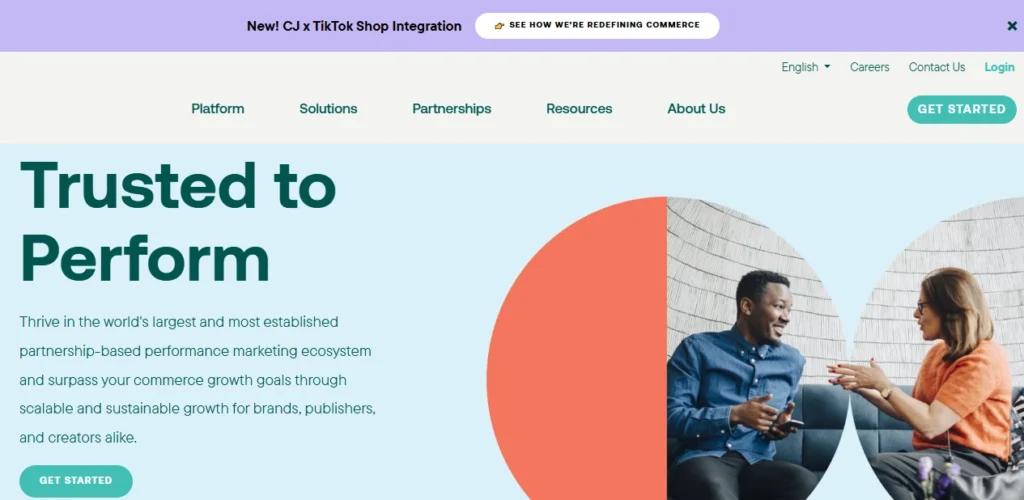
Approval on CJ Affiliate happens twice: once for the network, once for every advertiser program you want to run. For email list monetization that second gate is the important one, because advertisers state their email policy in the program terms.
Retail, travel, and financial brands dominate the advertiser roster. Many of them restrict email promotion to approved creatives only, which slows testing but protects you from lead quality disputes later.
Publishers usually need a live site to get through network approval. Pure list owners with no web property tend to have a harder time here than they do on CPA networks.
CJ Affiliate Key Features
Best for: Publishers who pair a content site with a newsletter and want recognizable retail or finance brands rather than aggressive direct response offers.
4. PartnerStack
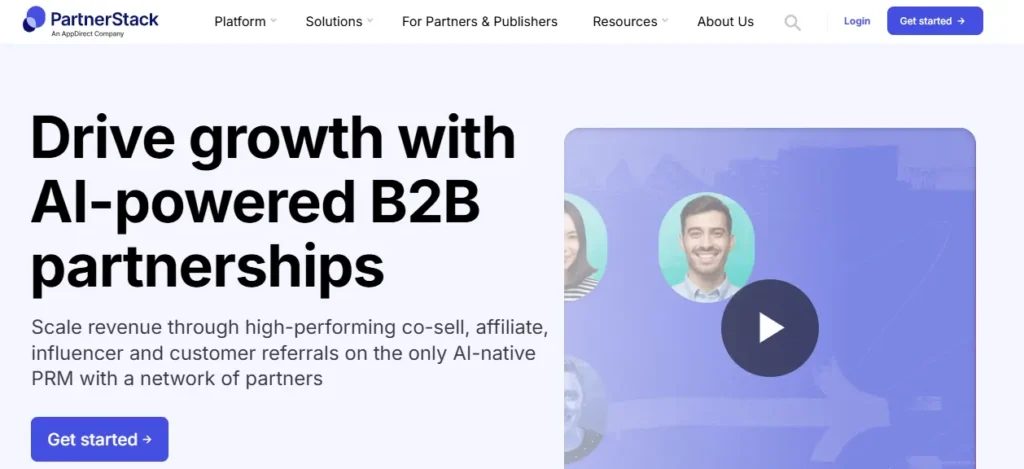
B2B software is where PartnerStack sits, and that shapes what your list needs to look like. Subscriber value here comes from recurring SaaS commissions rather than one-time payouts, so a smaller list of business readers can out-earn a large consumer file.
Programs run inside the platform with their own approval flow. Email promotion is usually acceptable when the audience fits, though vendors care about how you describe their product.
Recurring revenue changes the math on email list monetization. One conversion that stays subscribed for eighteen months keeps paying long after the send that produced it.
PartnerStack Key Features
Best for: Newsletter operators with founder, marketer, or developer audiences who want compounding recurring income instead of single payout consumer offers.
5. Awin
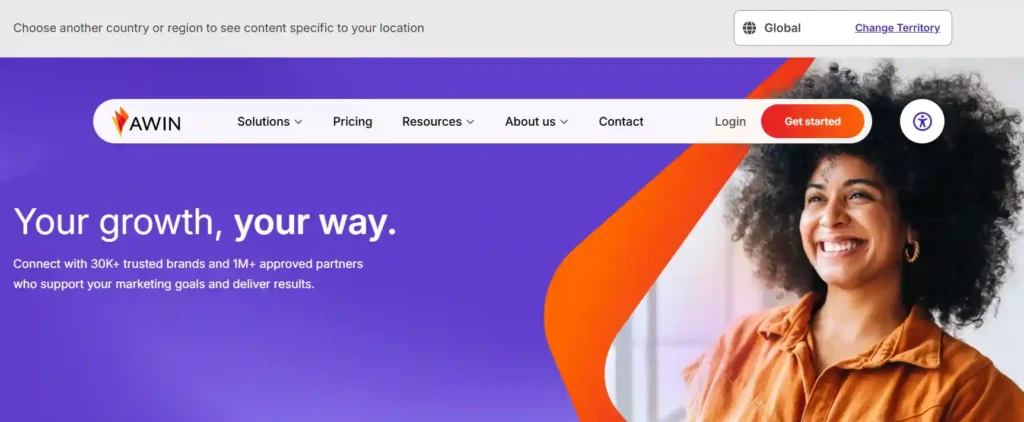
Awin gives you geographic range that most CPA networks cannot match, which matters if your list has meaningful UK, German, or Nordic segments. Advertiser rosters differ by region, so the same account opens different offers depending on where subscribers sit.
The network absorbed ShareASale, adding a large pool of smaller merchants alongside enterprise brands. That mix is useful for niche lists that would never get approved for a major retail program.
Email rules follow the advertiser. Some publish clear permission in program terms, others require you to ask, and a few prohibit it outright.
Awin Key Features
Best for: Publishers with established traffic who want one dashboard across thousands of brands, dependable payouts, and international coverage beyond developer tools.
6. Rakuten Advertising

Retail brands are the draw at Rakuten Advertising. The roster skews toward well known department stores, apparel labels, and travel companies, the kind of names a consumer list already recognizes and trusts.
Getting in takes longer than most networks. Both the network and individual advertisers review applications, and program managers commonly want to see your audience data before opening an offer.
That selectivity has an upside for email publishers. Advertisers who approve you tend to have realistic expectations about email traffic and stable campaign budgets behind them.
Rakuten Advertising Key Features
Best for: Consumer newsletters with shopping, deals, or lifestyle audiences that convert on recognized retail names during seasonal promotional windows.
7. MaxBounty
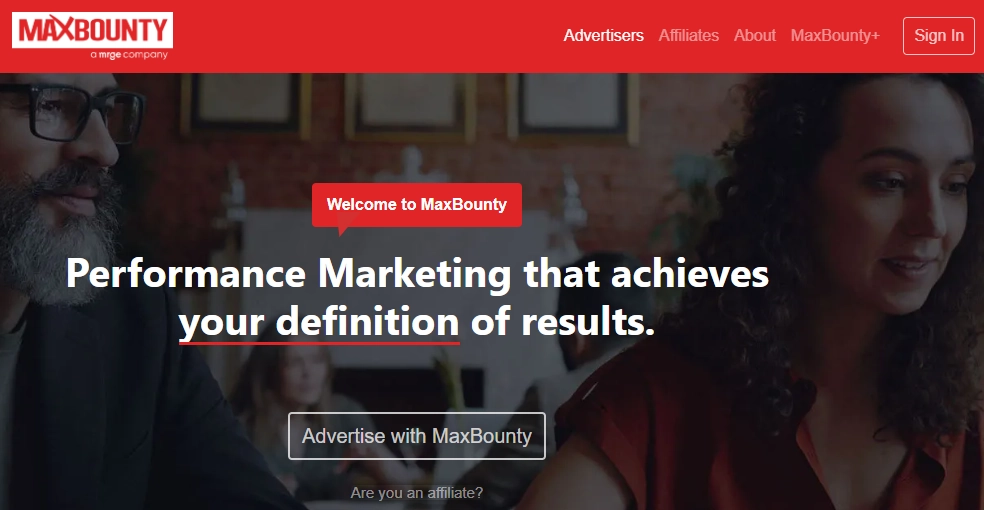
Among CPA networks, MaxBounty labels email traffic acceptance directly on the offer page, which removes the guesswork that sinks a lot of list monetization attempts elsewhere. You can see before you send whether a campaign is cleared for inbox promotion.
Approval involves a phone interview. Managers ask about list source, size, and sending setup, so having those answers ready shortens the process considerably.
The catalog covers finance, insurance, education, and lead generation, verticals where CPL offers convert well from email because the conversion action is a short form rather than a purchase.
MaxBounty Key Features
Best for: Experienced email publishers running finance, insurance, or lead gen offers who need clear per-offer email approval and fast payment cycles.
8. Digistore24
Digistore24 handles the sale itself rather than passing you to a merchant, which simplifies compliance for European email marketers. Tax handling and invoicing sit with the platform, a real advantage if your list spans multiple EU countries.
Digital products dominate the marketplace, with courses, coaching offers, and software making up most of the catalog. German language offers are unusually well represented compared to US focused networks.
Vendors set their own affiliate approval rules. Some open instantly, others review each application, and email promotion terms are set at the product level.
Digistore24 Key Features
Best for: European email publishers promoting courses, coaching, or digital products who want VAT handled by the platform rather than managed per vendor.
Red Flags in Affiliate Networks That Claim to Accept Email Traffic
Plenty of networks say yes to email traffic on the application form, then reveal the limits after you have already sent. Spotting the warning signs early saves you a burned segment and a disputed invoice.
Watch for these:
Two or three of these together usually means the network handles email as an afterthought. The approval process below helps you filter faster.
How to Get Approved by Affiliate Networks for Email List Monetization
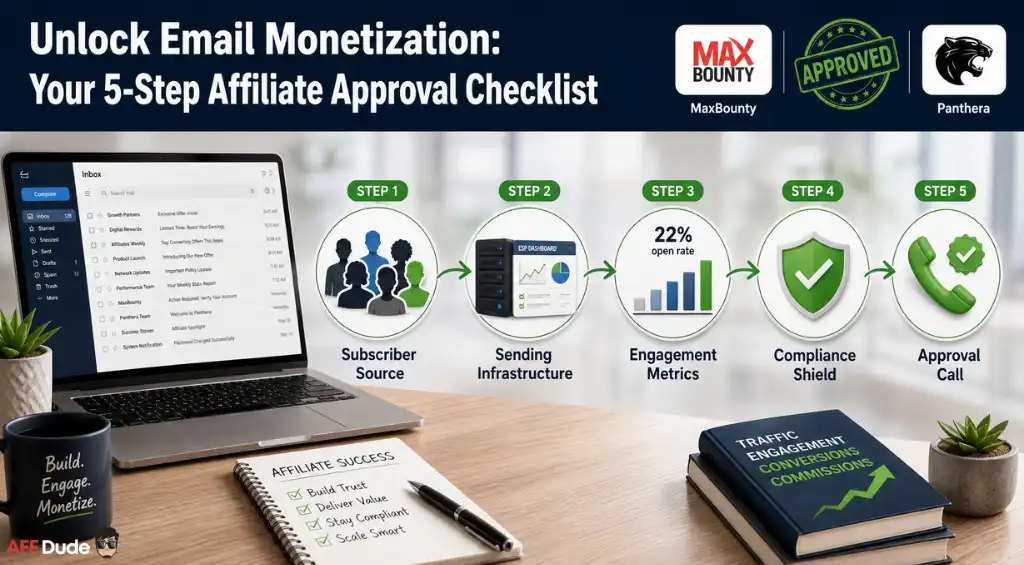
Approval teams reject most email publishers for the same reason: the application reads like a beginner guessing at answers. Showing operational detail moves you through in days rather than weeks.
Prepare this before you apply:
Expect a phone or Skype call at MaxBounty and Panthera. Answer directly, name your traffic source as email upfront, and avoid overstating volume, since managers verify claims against early sends.
Once approved, your first sends decide which offers open up next, which makes testing method the real earnings lever.
Final Verdict
A list earns what its offers allow it to earn. That is the quiet lesson across every network above. Approval rules, suppression cadence, and payment terms shape your revenue far more than a headline payout ever will.
Start with one network that matches your subscriber profile. Run a seed test, watch complaint rates, then expand once the data holds. Affiliate networks for email list monetization reward patience over volume.
Your list took time to build. It deserves the same care on the way out.
Recommended Articles

Affiliate Disclosure: This post may contain some affiliate links, which means we may receive a commission if you purchase something that we recommend at no additional cost for you (none whatsoever!)